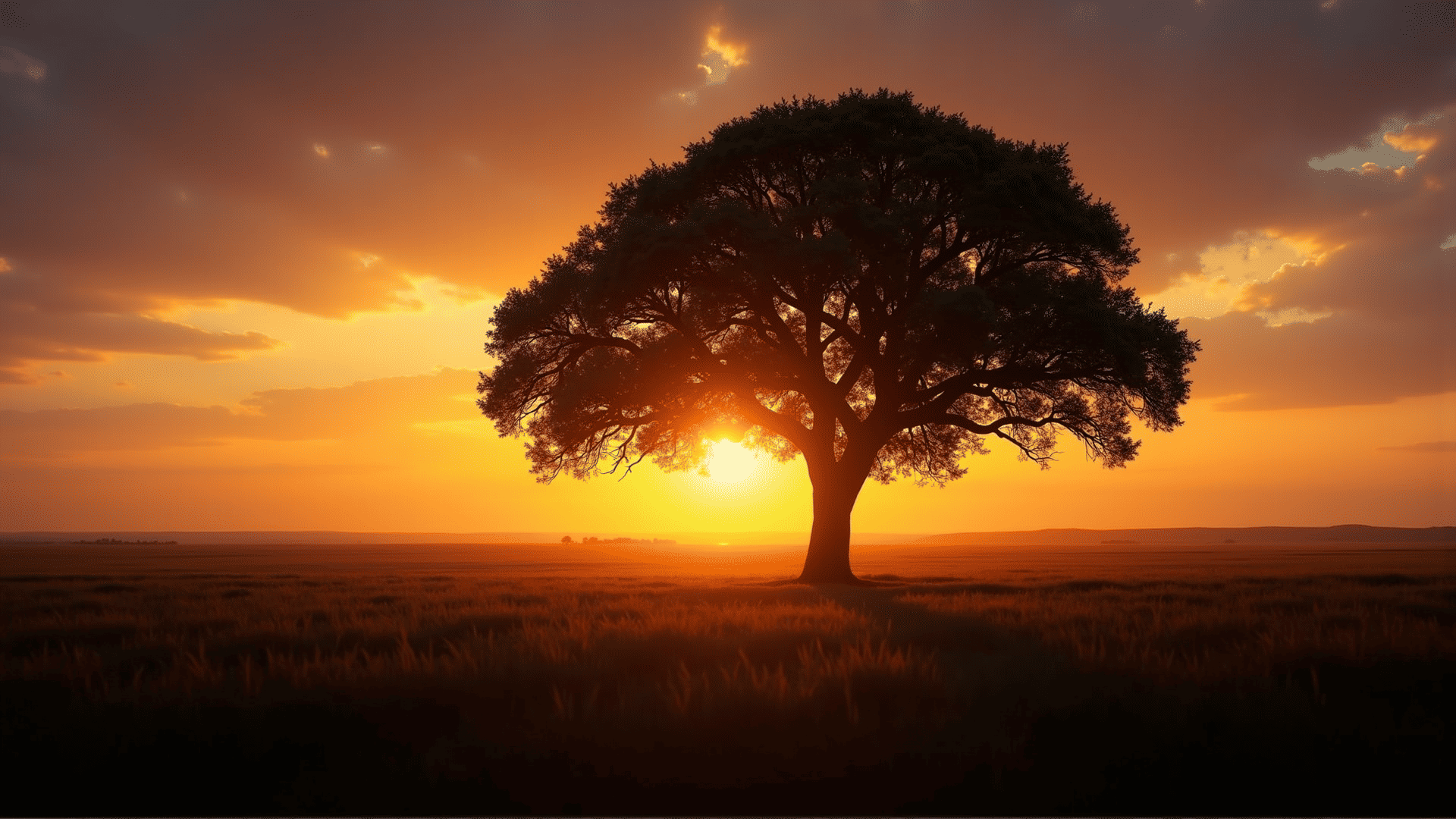
Light and shadow serve as fundamental elements in the world of visual storytelling. By mastering their interplay, photographers can elevate their compositions, infusing them with emotion, depth, and intrigue. Here's how to harness this dynamic duo to unlock new dimensions in your images.
Understanding Light
At its core, light is the essential ingredient in any visual art form. It not only illuminates but also adds texture and mood to your photographs. Grasping the different types of light available throughout the day can greatly impact your photography:
-
Golden Hour: This period shortly after sunrise or before sunset is known for its warm, soft light, which casts long, gentle shadows. It is ideal for capturing landscapes with a serene and ethereal glow.
-
Blue Hour: Occurring just before dawn and after dusk, this time is characterized by a cool, blue light that imparts a tranquil and mysterious mood, perfect for cityscapes and night-time shots.
-
Midday Light: The bright, high-contrast light during midday can create harsh shadows. While challenging, it can be used effectively to emphasize textures and create dramatic effects.
The Role of Shadow
While light reveals, shadow conceals, creating mystery and depth. Shadows can outline structures, bring attention to details, and produce a sense of three-dimensionality.
-
Creating Drama: Use shadows to add contrast and drama. The stark difference between light and dark can transform a simple image into a compelling narrative.
-
Shaping Objects: Shadows are essential for defining the form of an object, making it appear more lifelike. Pay attention to the direction and length of shadows for more dynamic compositions.
-
Framing: Incorporate shadows to frame your subjects creatively. This technique not only directs attention but also adds an artistic touch to your images.
Techniques for Mastery
Combining effective lighting with strategic shadow use can result in captivating images. Here are a few techniques to consider:
-
Silhouettes: Employ backlighting to create silhouettes, where the subject appears dark against a well-lit background. This technique simplifies the form and highlights outlines.
-
Chiaroscuro: Borrowed from classical painting, this technique utilizes stark contrasts between light and shadow to create a dramatic effect. It’s particularly effective in portraiture, adding intensity to the subject’s facial expressions.
-
Multiple Light Sources: Experimenting with multiple light sources can create complex shadow patterns. Different angles and intensities provide a unique interplay of light and shadow.
Conclusion
The subtle dance of light and shadow is an essential skill in the photographic arts. By observing how light interacts with the environment and understanding the potential of shadows, you can add layers of meaning to your work. Embrace experimentation and continually practice, as each photograph offers an opportunity to deepen your understanding of how light and shadow define visual storytelling.