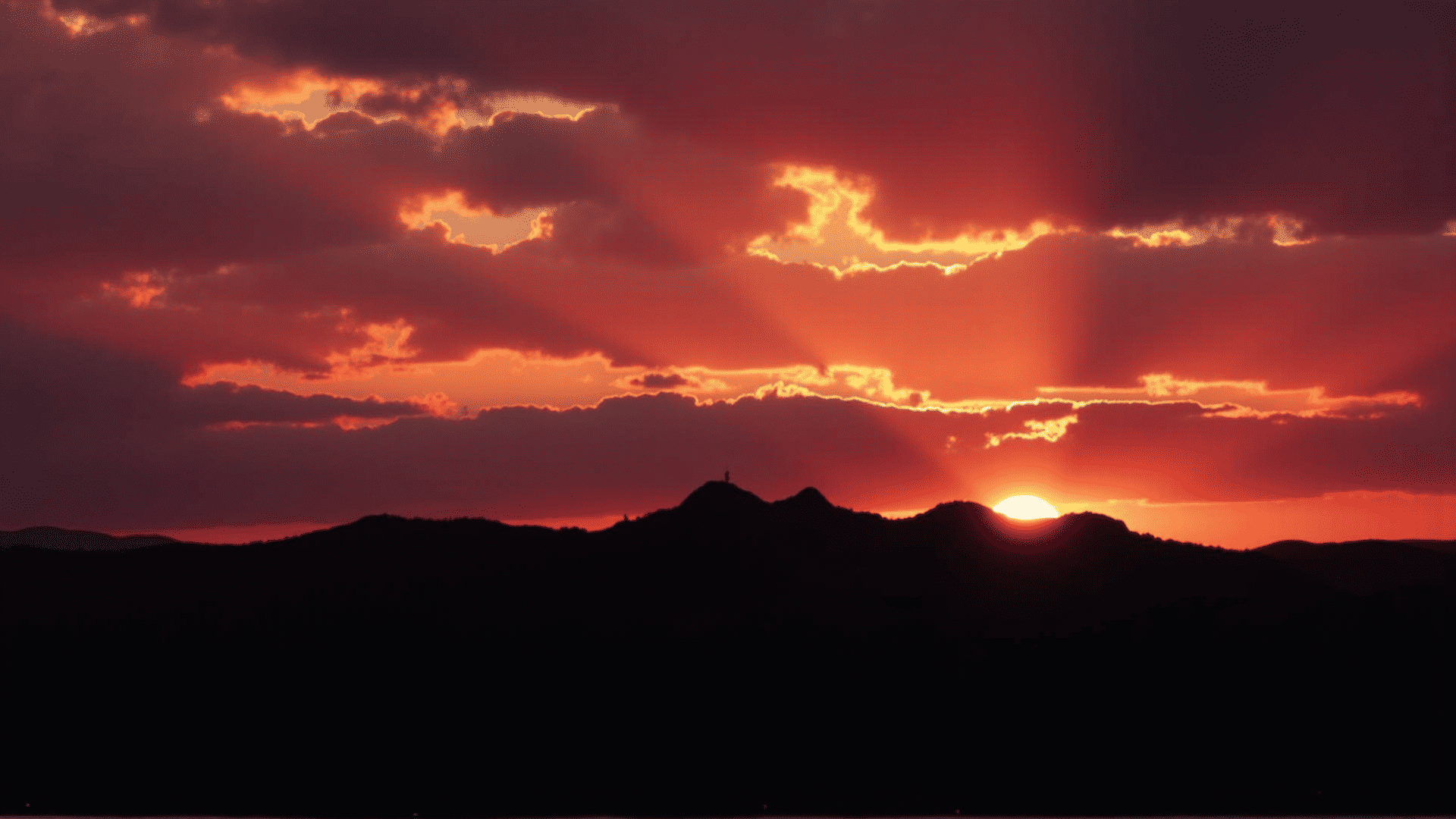
Venturing into the realm of landscape imagery invites one to explore the art of capturing the earth’s magnificence and atmosphere across its various moods and seasons. From tranquil mornings swathed in mist to vibrant sunsets painting the horizon, each moment in the natural world is a testament to the visual and emotional power of our environment. Here, we delve into techniques and considerations for capturing these breathtaking scenes under varying weather conditions, ensuring your images reflect the awe-inspiring beauty of the outdoors.
Understanding Light
The foundation of compelling landscape imagery is understanding how light transforms a scene. The golden hours, found shortly after sunrise and before sunset, often provide soft, warm light that can enhance scenery by offering gentle shadows and saturated tones. However, dramatic lighting changes, often occurring during stormy weather or near twilight, can imbue a scene with mood and depth. Embrace these fluctuations to find unique compositions and intriguing contrasts.
Utilizing the Weather to Enhance Your Vision
Weather plays a pivotal role in shaping the atmosphere of a landscape. Don't shy away from overcast days; the diffused light can create a soft, even illumination that’s perfect for capturing textures and details without harsh shadows. On the other hand, dramatic skies with moving clouds or stormy backdrops can lend a sense of urgency and dynamism to your photographs.
Composition Through the Seasons
Each season offers distinct characteristics that can transform familiar landscapes into fresh scenes. Spring bursts with new life and vibrant colors, providing compositions rich with budding flora. Summer often brings intense colors and longer daylight, ideal for exploring both dawn and dusk. Autumn’s foliage can be a colorful spectacle, perfect for engaging compositions with a palette of reds, oranges, and yellows. Winter’s stark beauty, defined by snow and muted tones, offers minimalist compositions and the chance to play with abstract forms.
Harnessing Tools and Techniques
To truly capture the essence of a landscape, developing technical skills is key. Utilize a tripod for stability during low light conditions. Experiment with long exposure to smooth out water or cloud movements, creating a serene, almost ethereal quality. Filters can also be vital in managing reflections, enhancing colors, and controlling light exposure. The right equipment allows for greater creative freedom in altering how a scene is perceived.
Conceptualizing Your Vision
Above all, plan your shots with intention. Study the environment, noting changes in light and weather patterns. Consider the emotional response you wish to evoke and let that influence your choice of angles and elements within the frame. Whether it’s the rugged texture of mountains, the gentle flow of a river, or the expanse of a serene lake, express your connection to the scene through your lens.
Capturing landscapes is an ongoing journey of discovery and reflection of the natural world’s magnificence. By observing, experimenting, and tapping into both your environment and inner vision, you can curate images that not only depict a scene but also convey a narrative and evoke emotion. Whether beginner or seasoned enthusiast, the art of landscape imagery offers endless opportunities to capture and share nature’s breathtaking moments.